Sham Shui Po: Old Hong Kong, Still Alive
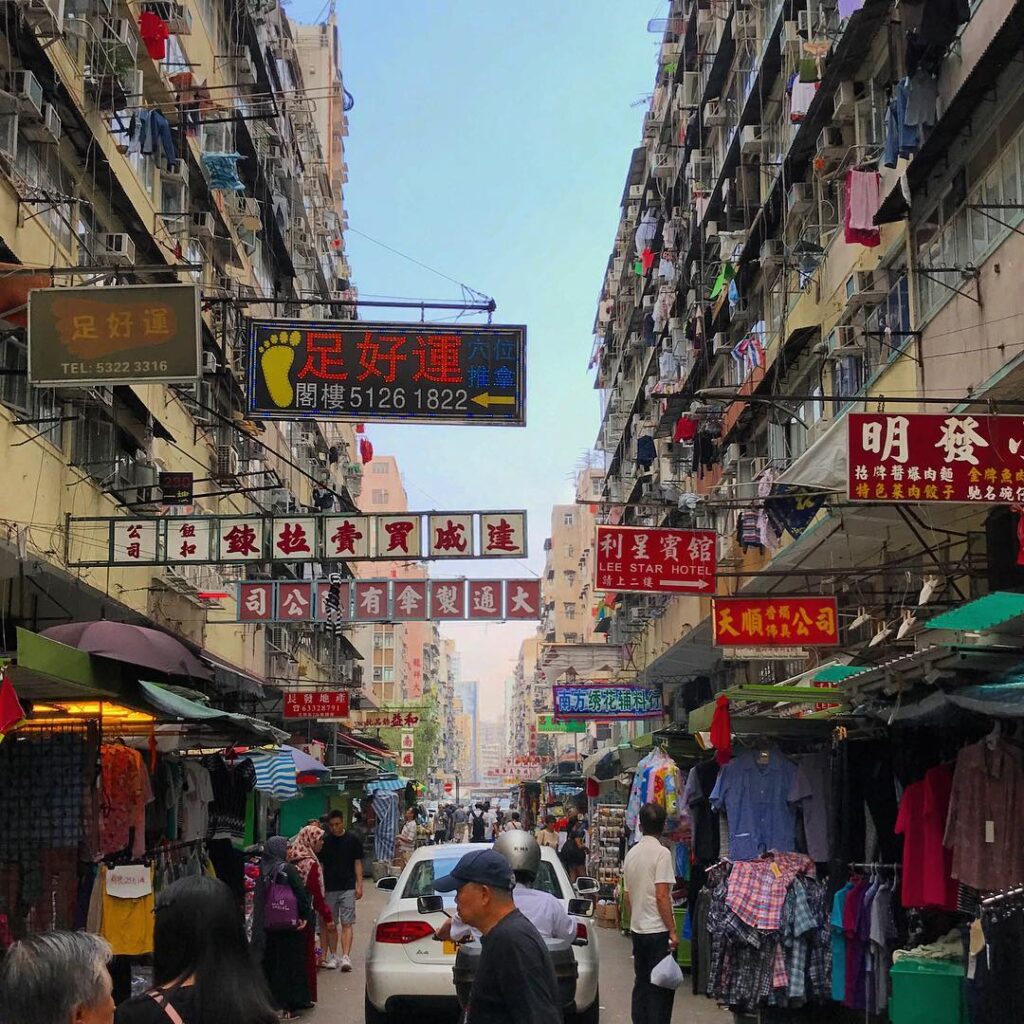
Exit A2 at Sham Shui Po Station and the neighbourhood gets to the point immediately… tarpaulin, cables, tofu steam, plastic stools, old signs, a guy selling phone parts, another guy selling something so specific you wonder how there are enough customers in the world. That is the appeal. Sham Shui Po doesn’t seduce you with skyline drama. It just gets on with it.
I’ve been walking it since 2012, which is long enough to watch trends wash over it without fully scrubbing the place clean. The old tong lau are still there (somehow). The electronics stalls are still doing business. The pawn signs have thinned out, sure, but they haven’t vanished entirely. And the neighbourhood still feels like one of the clearest windows into working Hong Kong… trade, repair, food, habit, survival, repetition.
If you want the raw archive, go straight to the Sham Shui Po location page. For the broader site context, Street, Food, and Night Neon all overlap heavily here. This guide is the edited walk… 147 photographs across nearly 14 years, stitched into one neighbourhood essay rather than another checklist.
Start with Apliu Street, because of course you do
The practical entry point is Sham Shui Po Station. Use Exit A2 if you want to come up near Apliu Street and Pei Ho Street, then work west to east. Use C2 if you want to land closer to the middle of Apliu Street and Dragon Centre. Either way, within a minute or two, Sham Shui Po starts doing its thing.
Apliu Street is the obvious first move. Yes, it’s the famous electronics street. Yes, tourists and YouTubers have discovered it. But it still works because the place is genuinely weird and specific. Not curated weird. Actual trade weird. Trays of adapters. Old cables. battered speakers. phone parts. cassette-era ghosts. Things you thought the world had thrown away twenty years ago, somehow still useful to somebody.
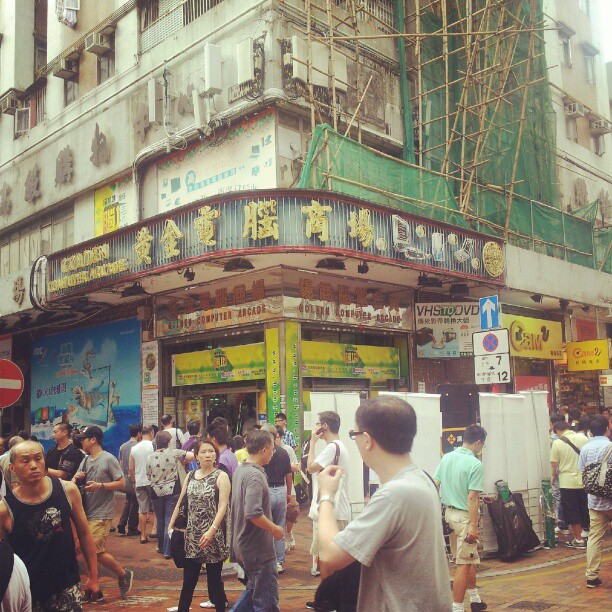
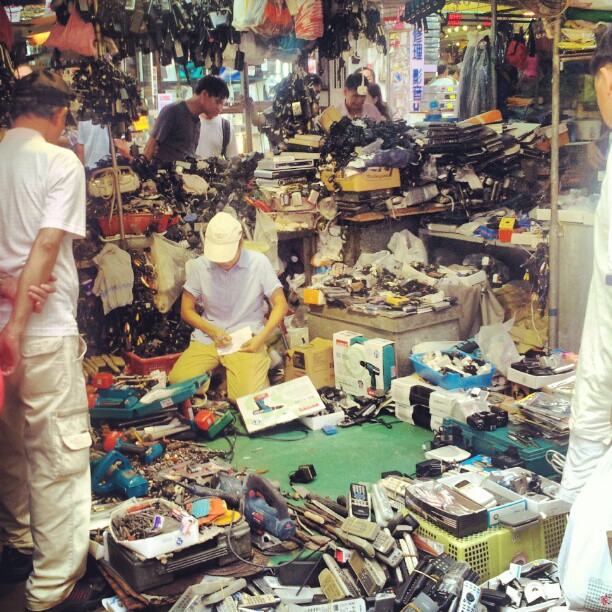
Back in 2012, the street felt a bit rougher and a bit more chaotic… less retro-chic treasure hunt, more actual mini-industrial ecosystem. That’s still the difference between Sham Shui Po and all the articles trying to package it neatly. This is not nostalgia merch. It’s commerce. You still come here if you’re trying to repair some old piece of electronic jigggery.
If you’re on the ‘gram or the ‘tok, you’ll have seen the videos promoting the junk camera shops here. People come to go digging in the pile of ancient (by today’s terms) digital cameras in search of that elusive retro jpeg look.
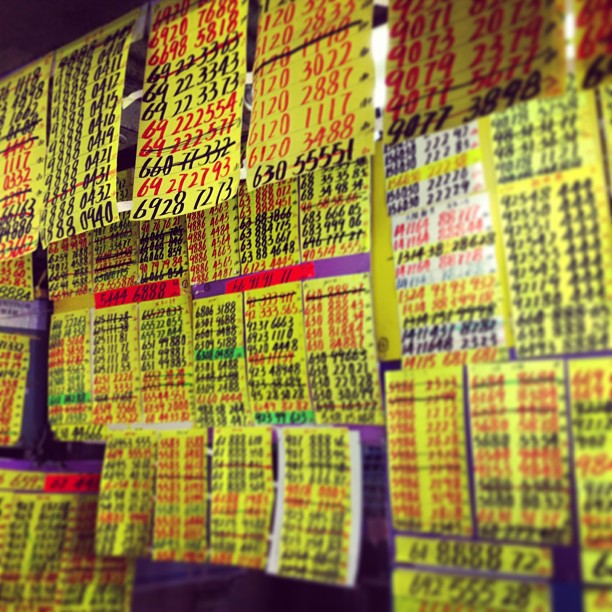
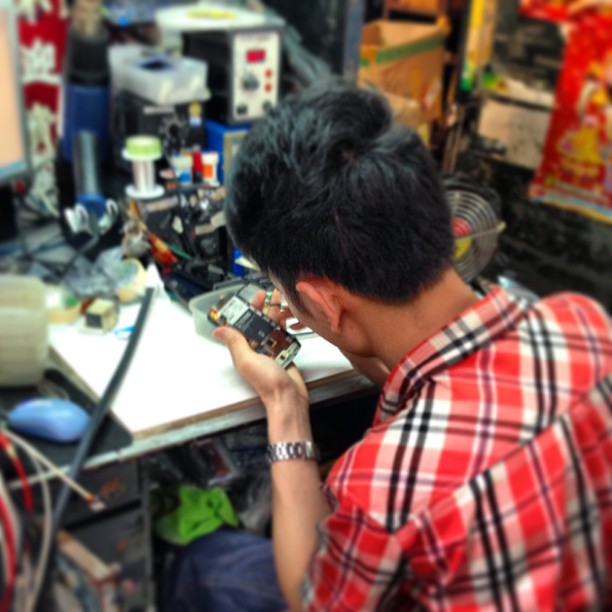
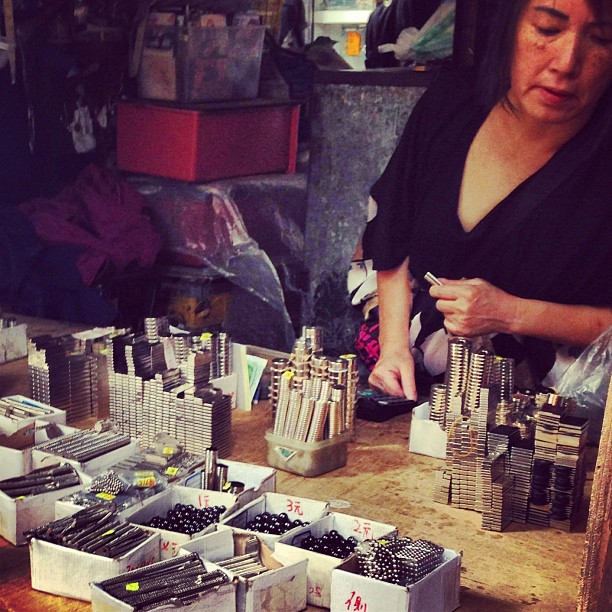
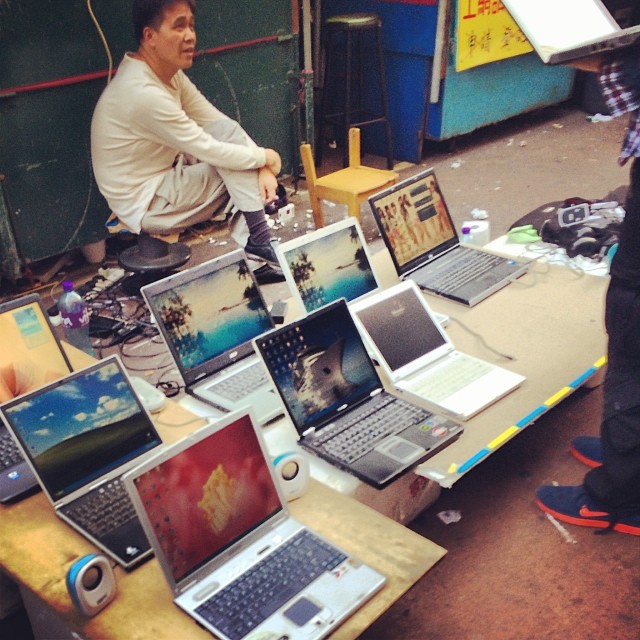
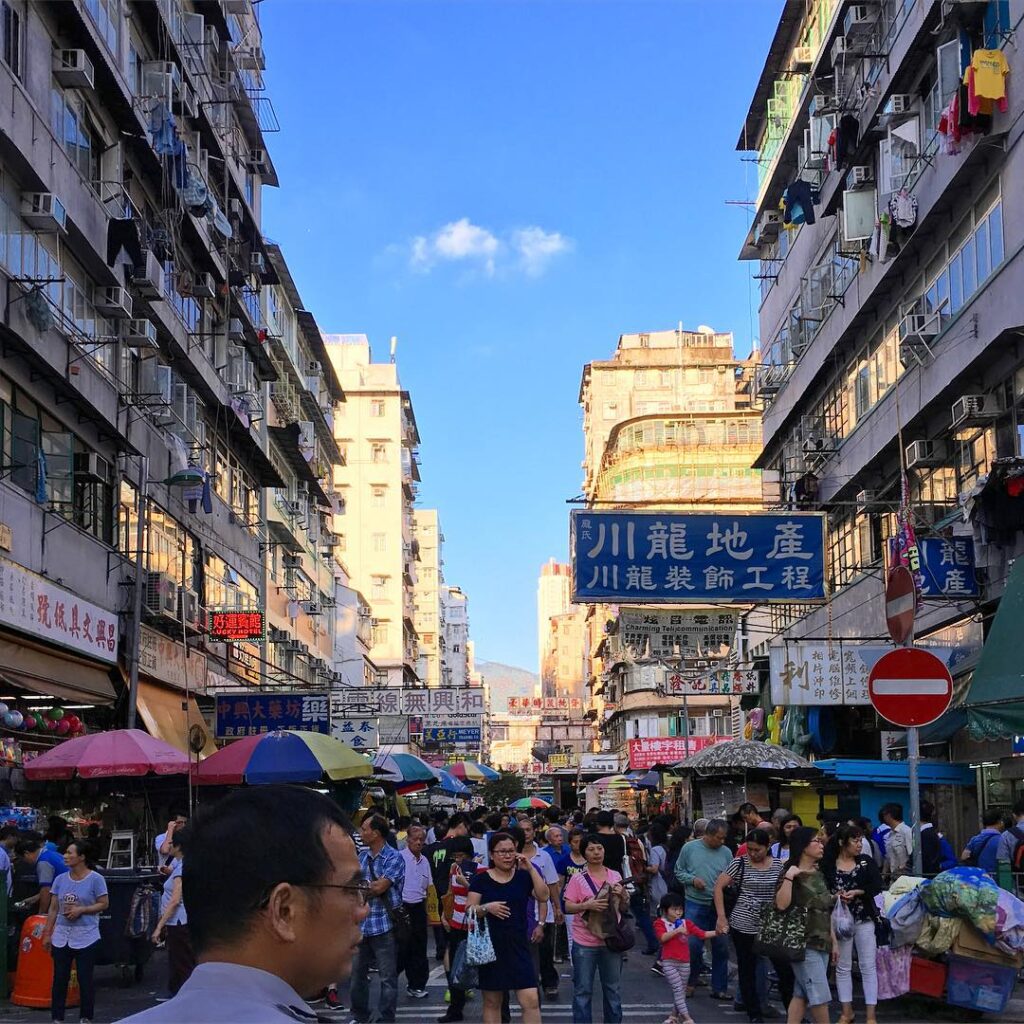
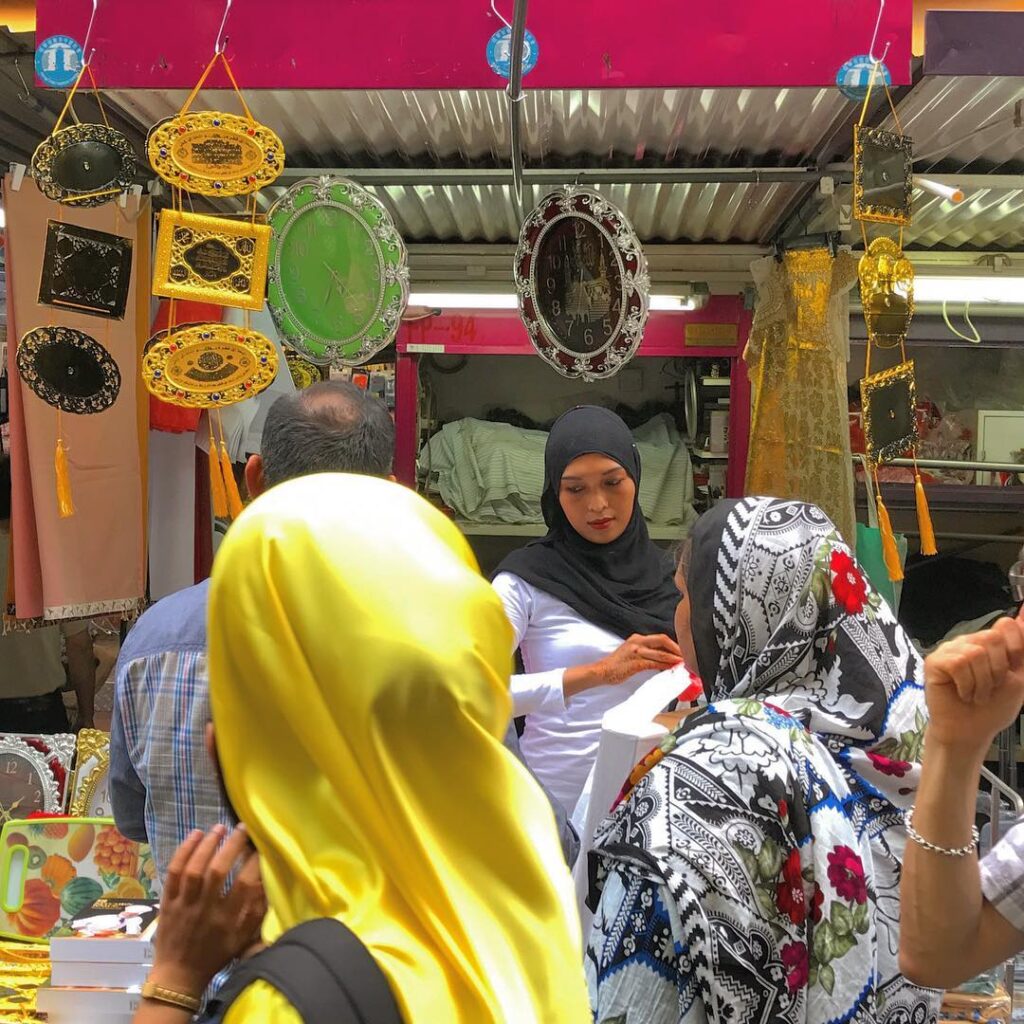
That last frame says a lot. Sham Shui Po is not just an electronics district. It’s one of those neighbourhoods where highly specific little trading worlds stack on top of each other. One stall does magnets. One fixes phones. One sells laptops on the street. One sells Islamic decorations in the middle of a flea market. And somehow it just works.
Then stop chasing gadgets and look at the surrounding streets
Apliu Street gets the headlines, but the side streets are where Sham Shui Po starts telling the truth.
Walk out towards Pei Ho Street, Yu Chau Street, Ki Lung Street, Nam Cheong Street. The mood changes block by block. Beads. fabric. clothes. wholesale bits and pieces. back-lane workshops. somebody waiting under a fashion sign. somebody else pedalling a solid metal beast of bicycle past an old tong lau like the last decade never happened.
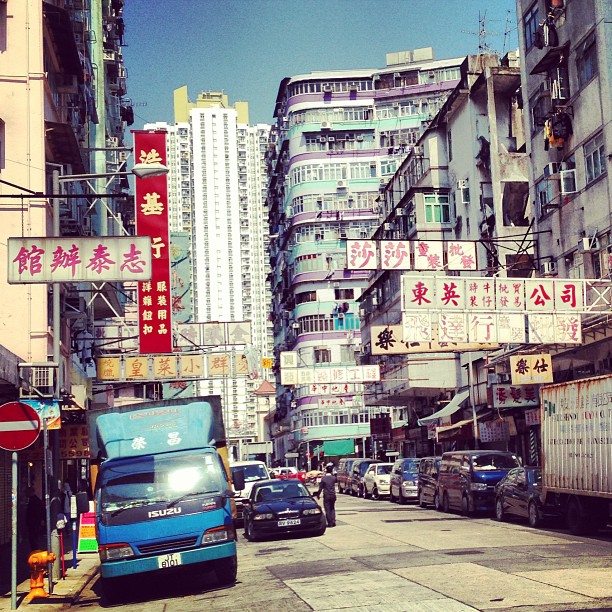
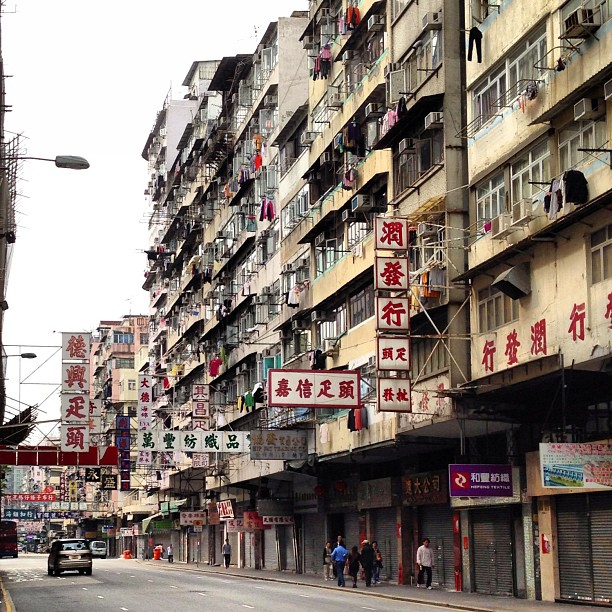
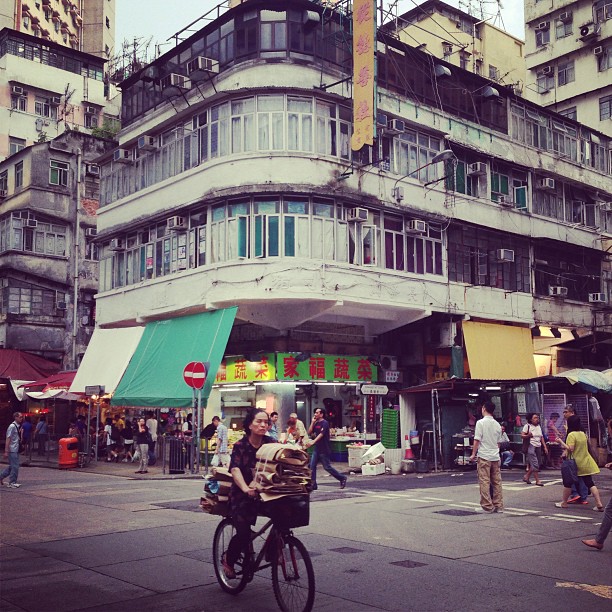
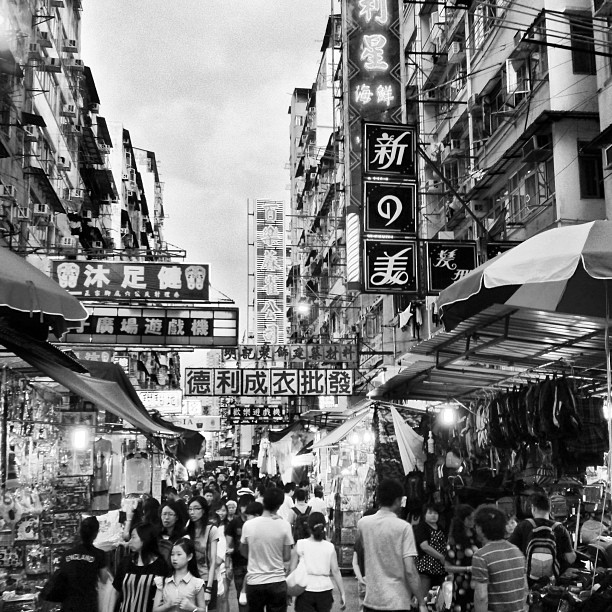
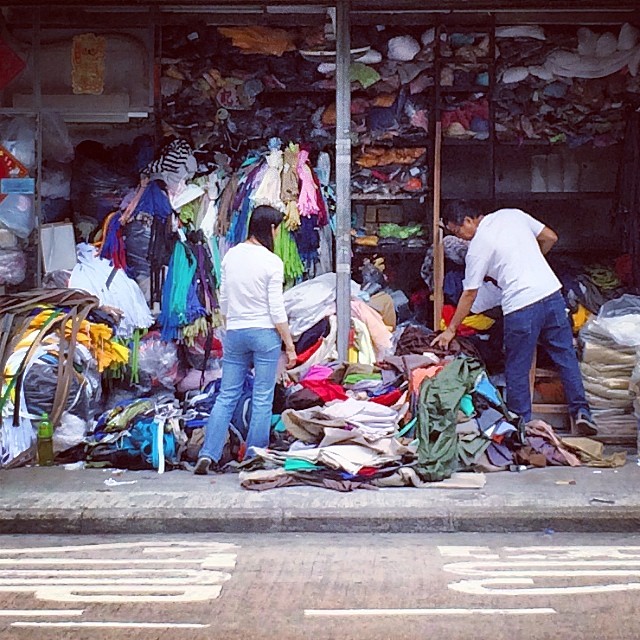
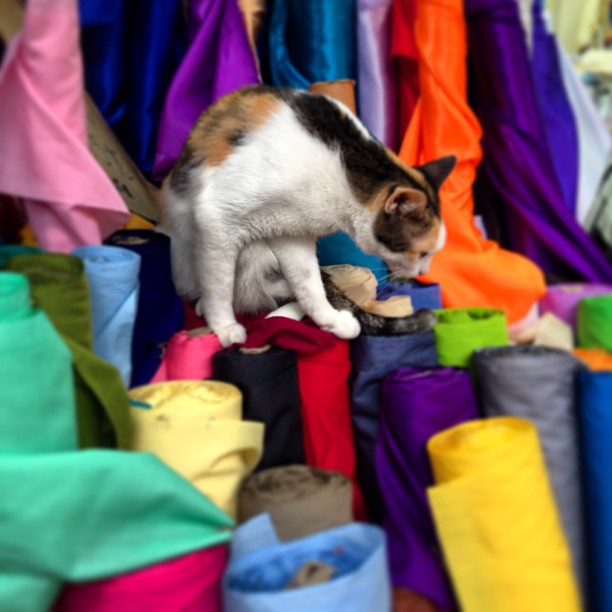
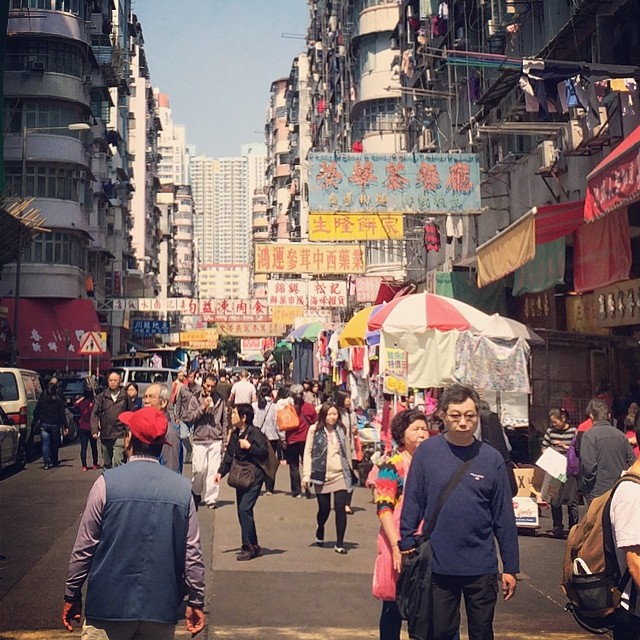
This is where the usual “old Hong Kong” description starts feeling a bit lazy. The neighbourhood is old, yes. But that’s not the full story. What matters is that it’s still functioning as a place of work. Repair. resale. small-scale trade. practical food. Not a museum. Not a Singapore heritage street-cum-theme-park. Still alive, still kicking.
That’s also why Sham Shui Po photographs so well. It has layers. Not in the fake “city of contrasts” sense… more like literal visual layering. Signs over stalls over cages over cloth over people over traffic. The eye never runs out of things to see.
Come hungry, obviously
A proper Sham Shui Po walk is half photo walk, half snack strategy.
The food here is not precious. That is part of the charm. You’re not here for tasting menu theatre. You’re here because there’s a tofu shop doing one thing well, a chee cheong fun stall that has people lining up for a reason, islamic food on a corner, and old cha chaan teng classics that still tastes like it belongs in an 80’s Hong Kong movie.
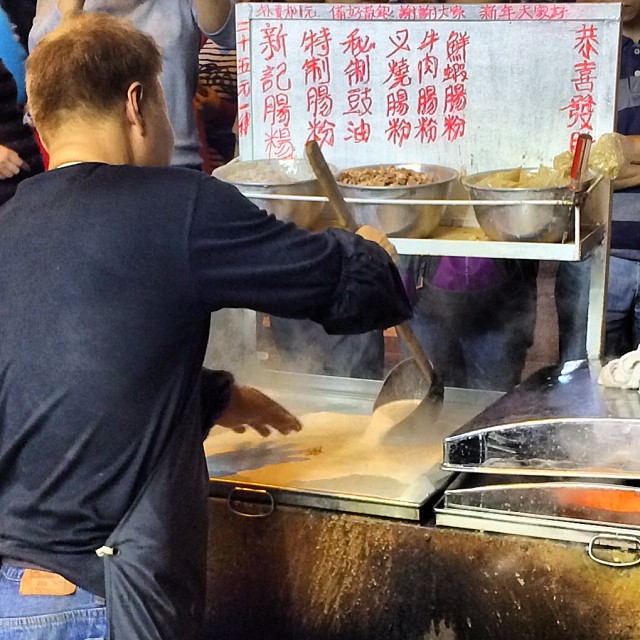
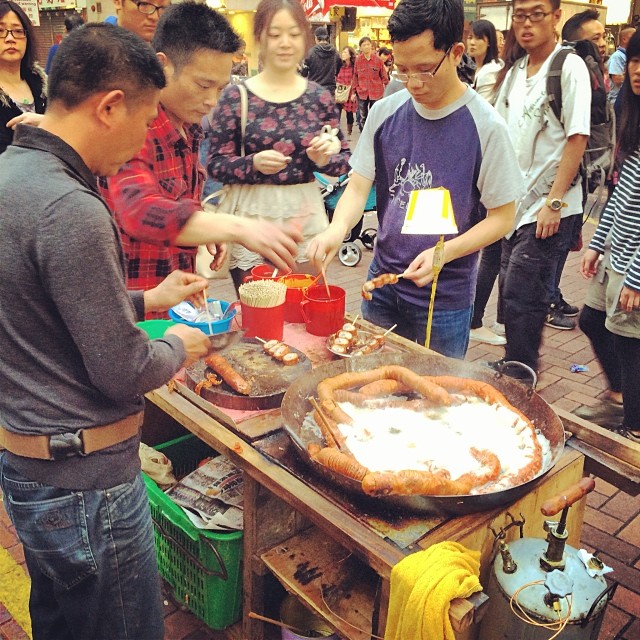
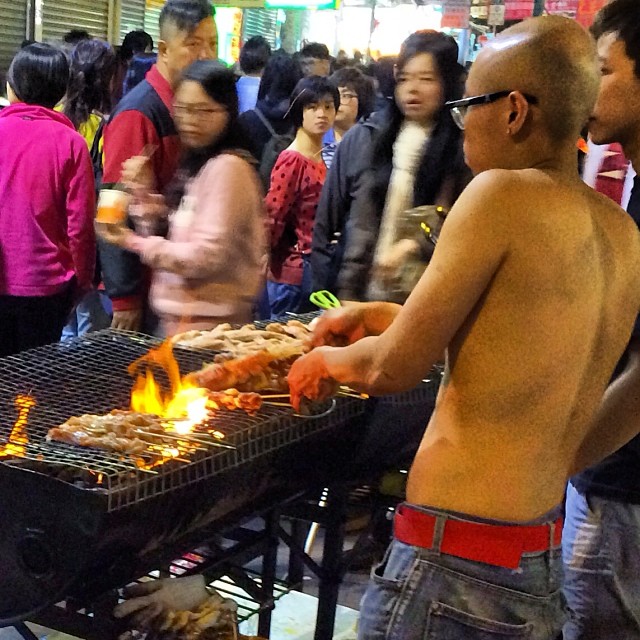
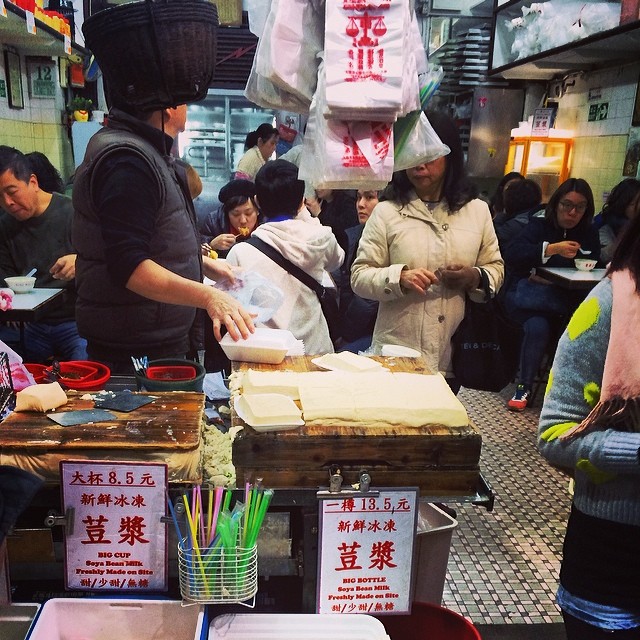
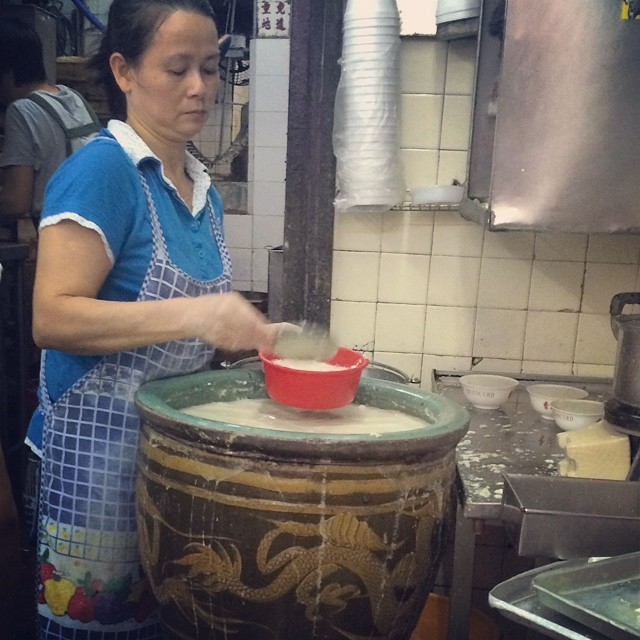
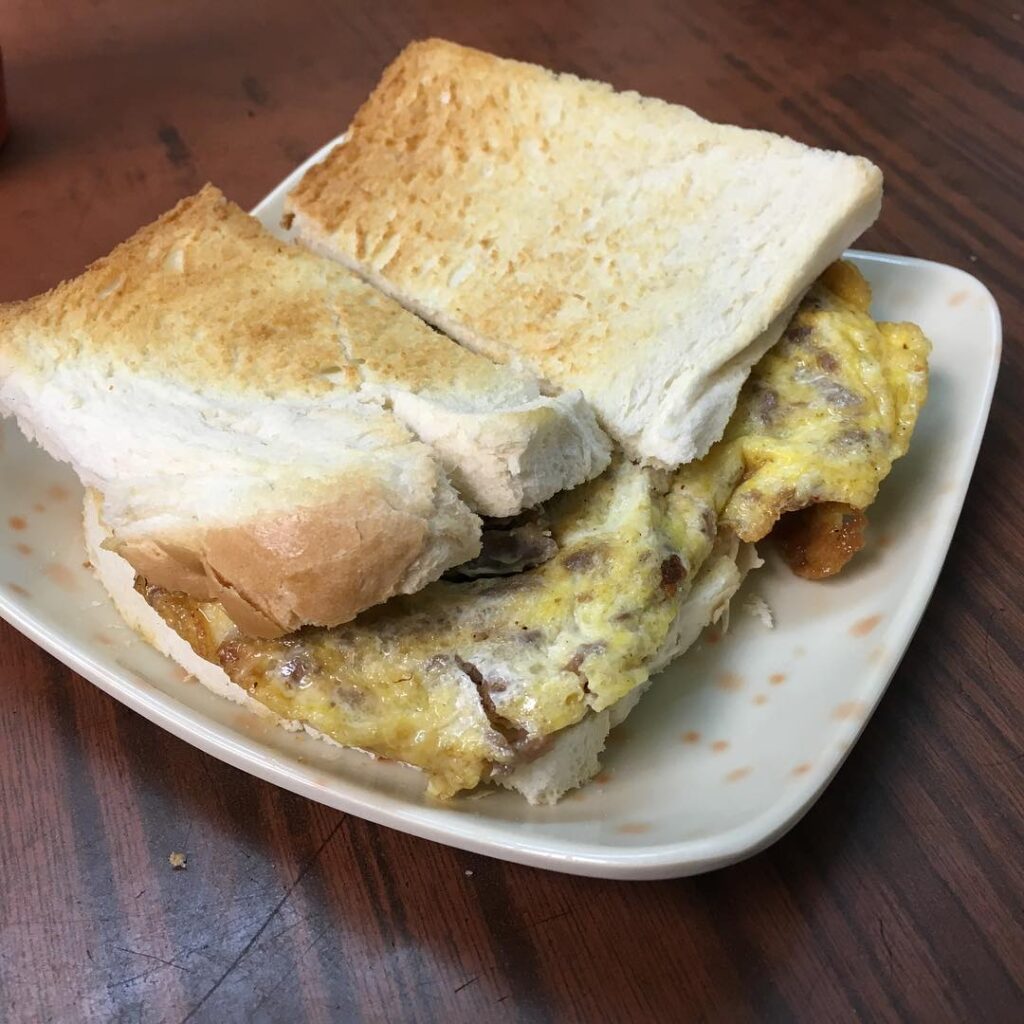
Hong Kong hates Hong Kong, is something I’ll never get over. Some of the photos above, you’ll never see again. They’re from the once yearly Chinese New Year Street Market on Kweilin Street Night Market.
Here’s the story: during Chinese New Year, all the shops and stalls close down as people celebrate the new year with their family. To take advantage of the absence of shops and stalls, unlicensed and unofficial street food stalls emerge.
Just once a year. But no longer. The Hong Kong government decided that it couldn’t go on and wiped it out. More parts of old Hong Kong dismantled by its own government.
If you’re trying to time the neighbourhood, late afternoon into evening is the sweet spot. You still get enough daylight for the market details and building textures, then the streets wake up and the food stalls start smelling unfairly good. Pretty damn good trade, really.
And yes, Pei Ho Street matters. If you come up through A2, you’re already in the right zone for the wet market side of Sham Shui Po and the food spill around it. Don’t overcomplicate it. Follow your nose a bit. Follow the queue a bit. This is not a neighbourhood that rewards rigid planning. Instead, just let your legs wander.
After dark, Sham Shui Po gets moodier
Mong Kok goes loud at night. Sham Shui Po goes lower and stranger.
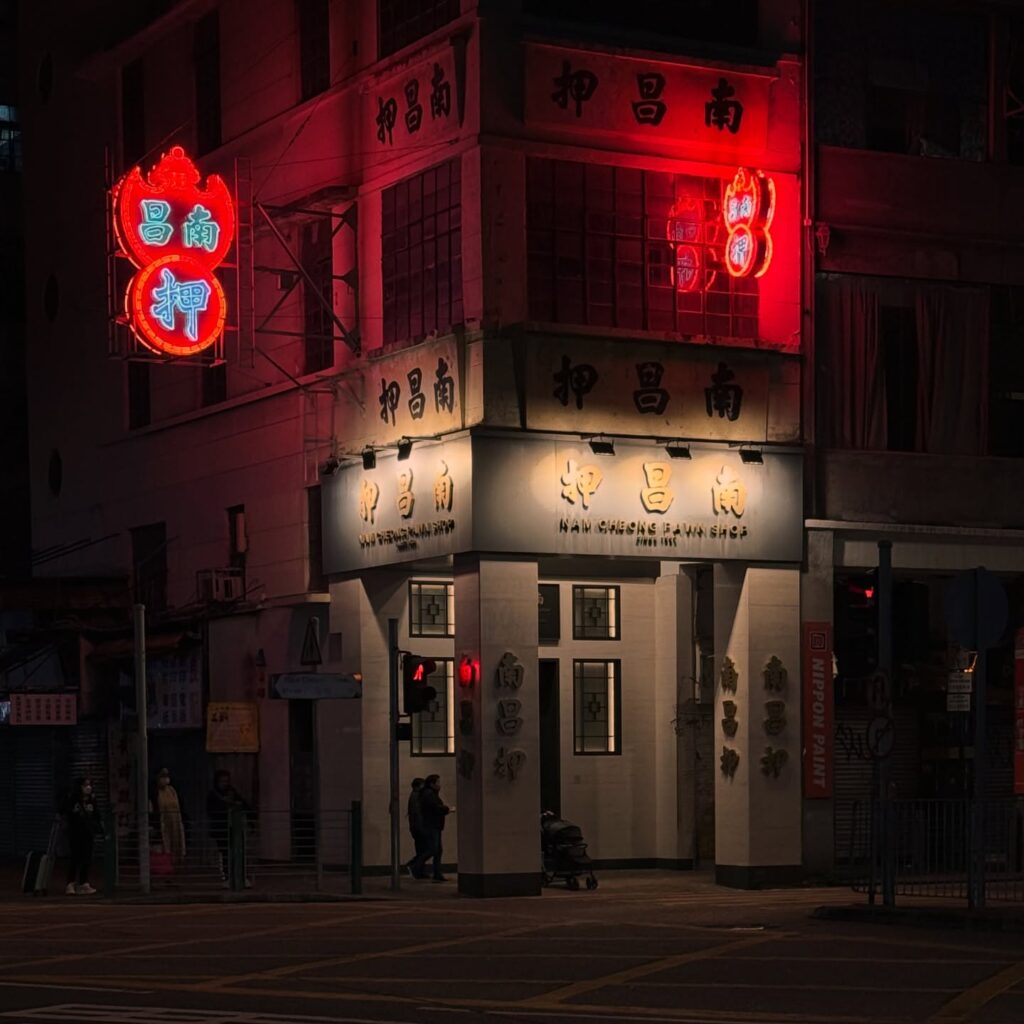
The neon here has been thinning for years, but the district still carries that old sign language better than most places. You get surviving pawnshop signs, red light on damp roads, mixed neon and non-neon clutter, and the kind of smaller nocturnal scenes that feel like Hong Kong noir.
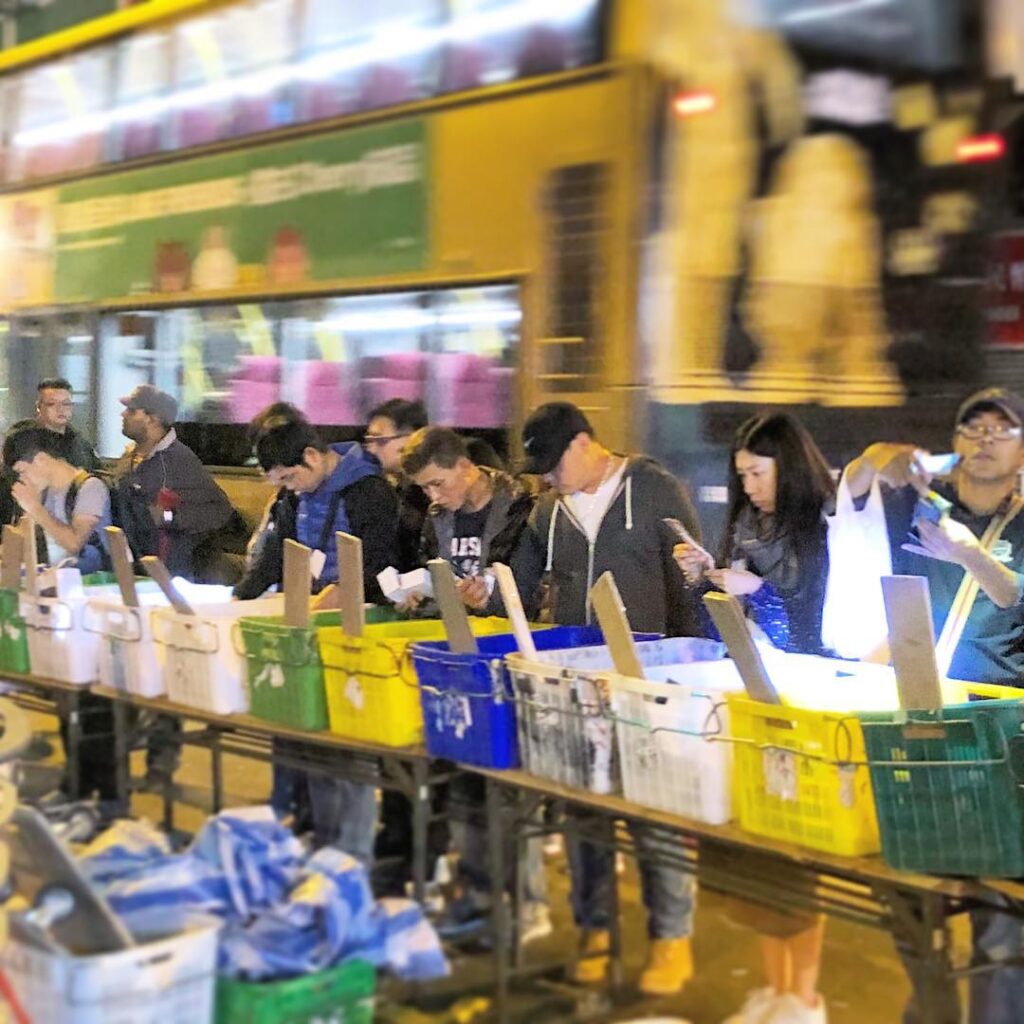
Wander around the Pei Ho Street Market and Cooked Food Centre at night and you’ll spot urban miners. Old men walking around with flash lights, inspecting goods at the unofficial thieves market on the street.
Bejeweled rings, Rolexs, jade… old-men with wizened faces examine them under torch light like they were unlocking the DaVinci Code. Genuine or fake? I’ll never know and you probably won’t either.
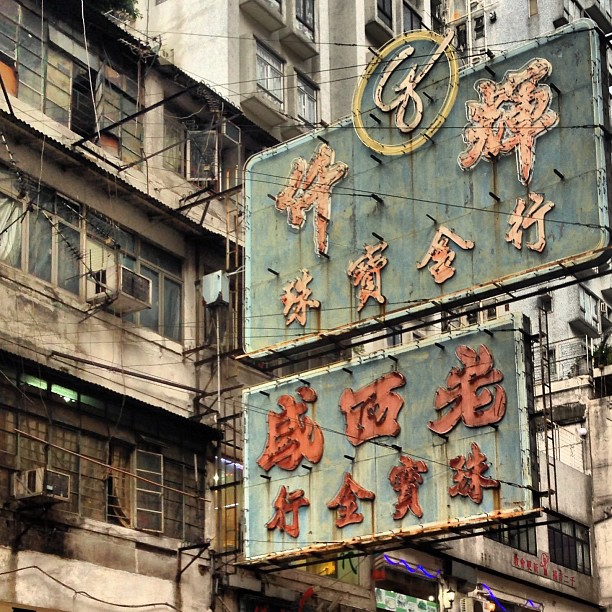
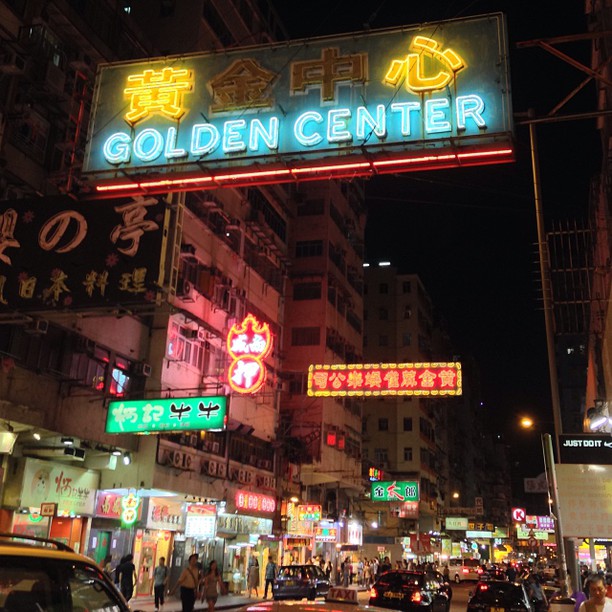
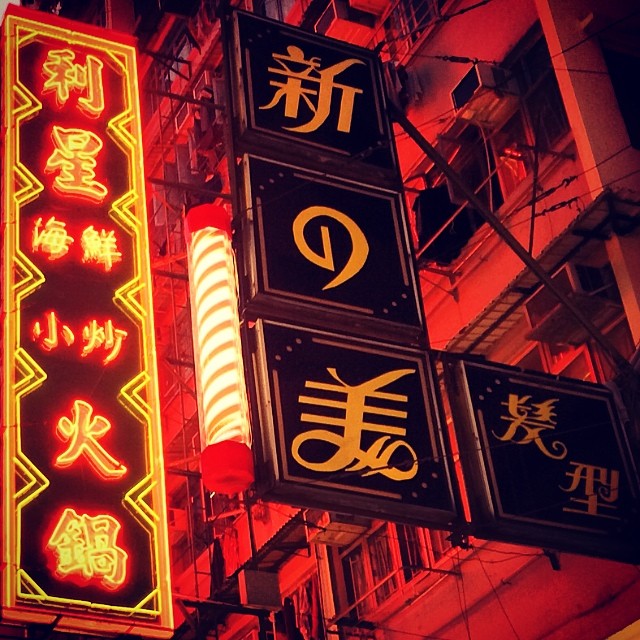
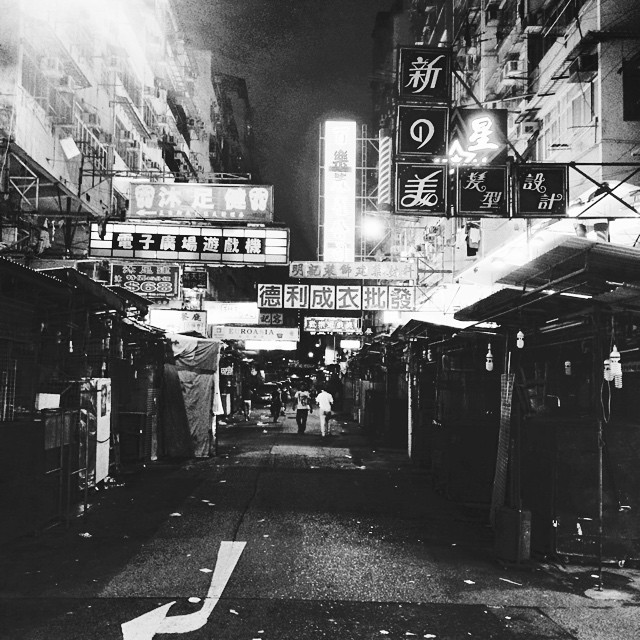
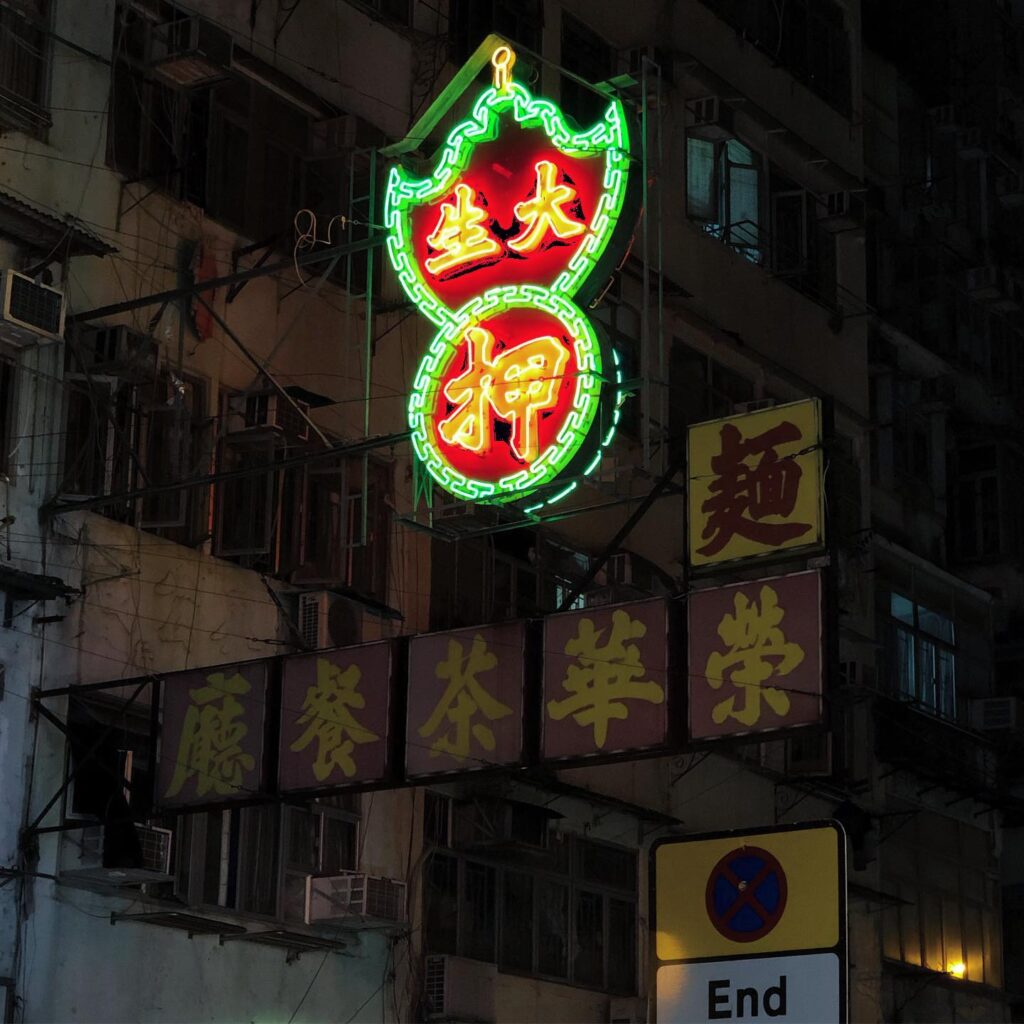
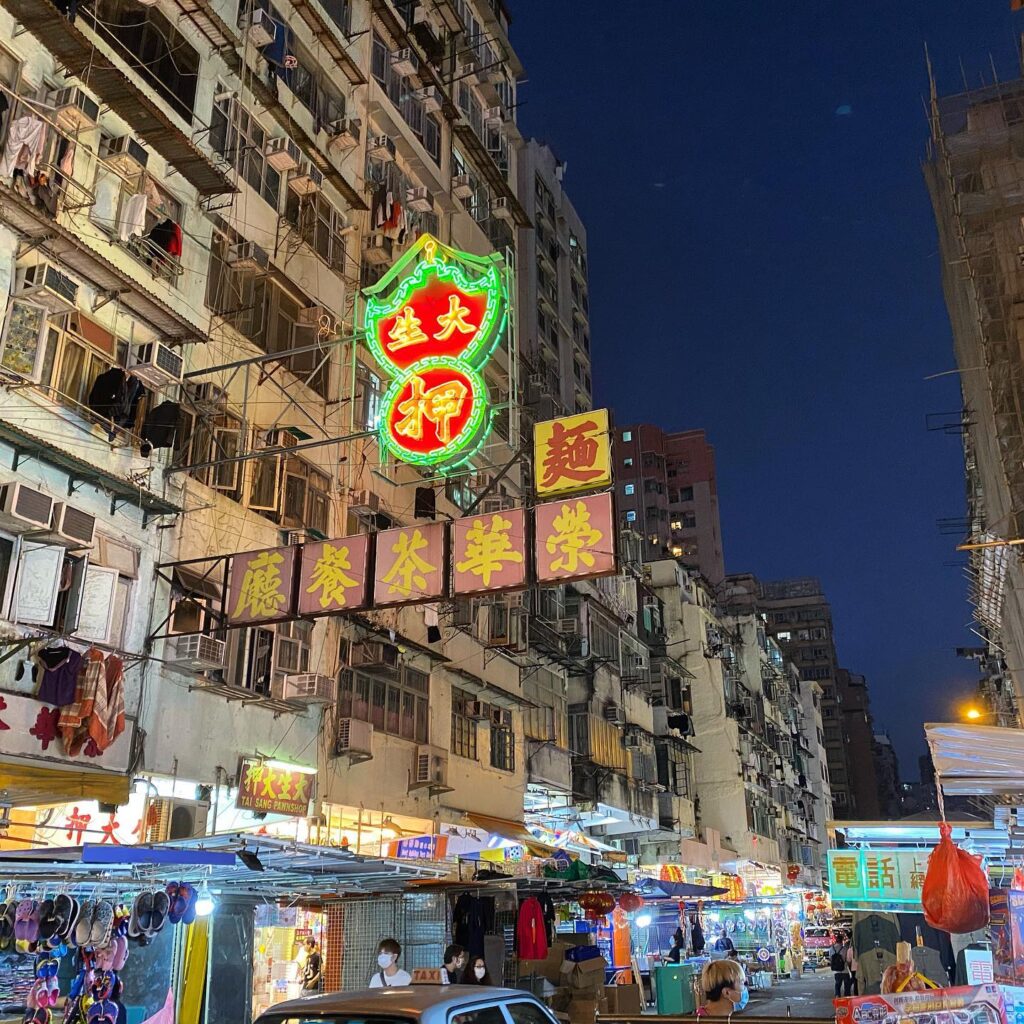
This is another place where the archive depth matters. One night frame is a nice night frame. A run of them across twelve years tells you what’s disappearing, and what is stubborn enough to survive anyway.
By 2022, even I was writing that the neon signs were much rarer. That’s the story, lah. Not some dramatic collapse, just the slow everyday replacement of old visual language with flatter, cleaner, more boring light.
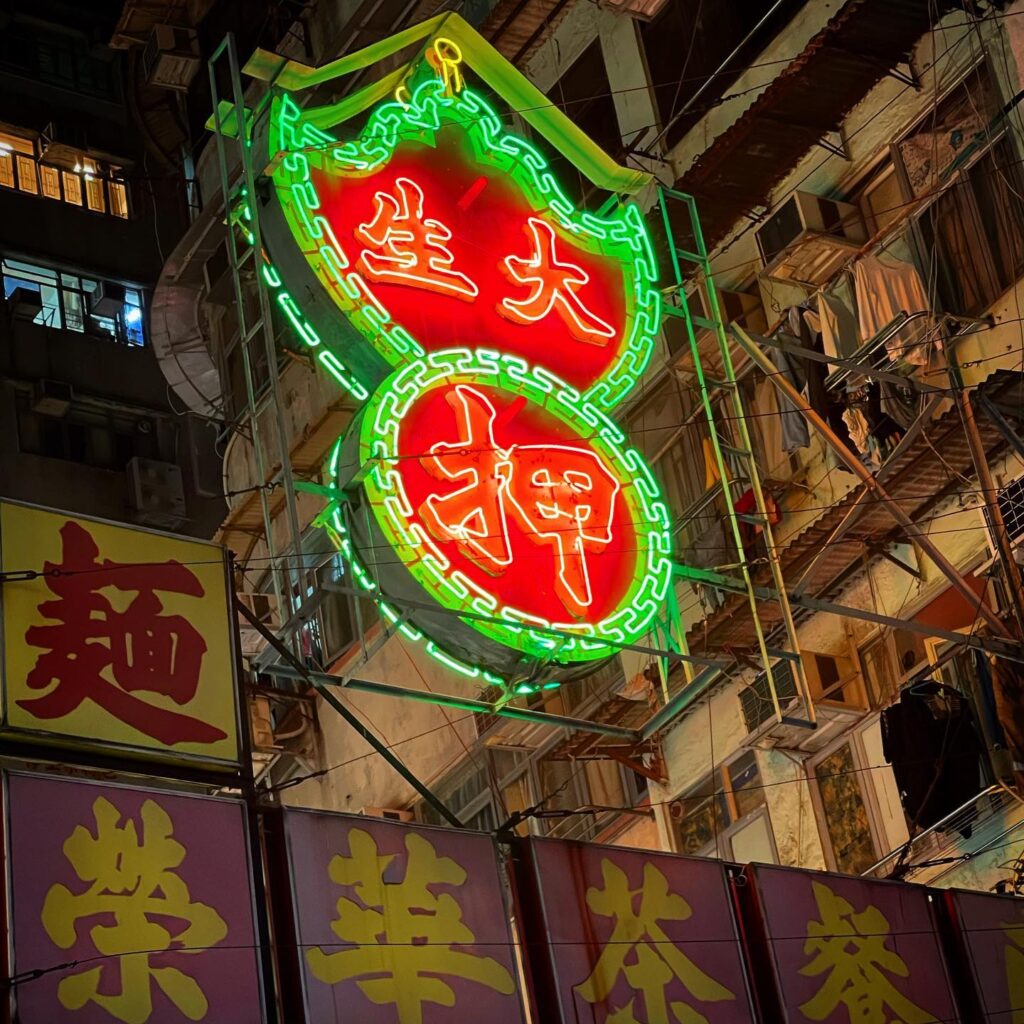
And yet, when the evening light hits right, the neighbourhood still looks like itself.
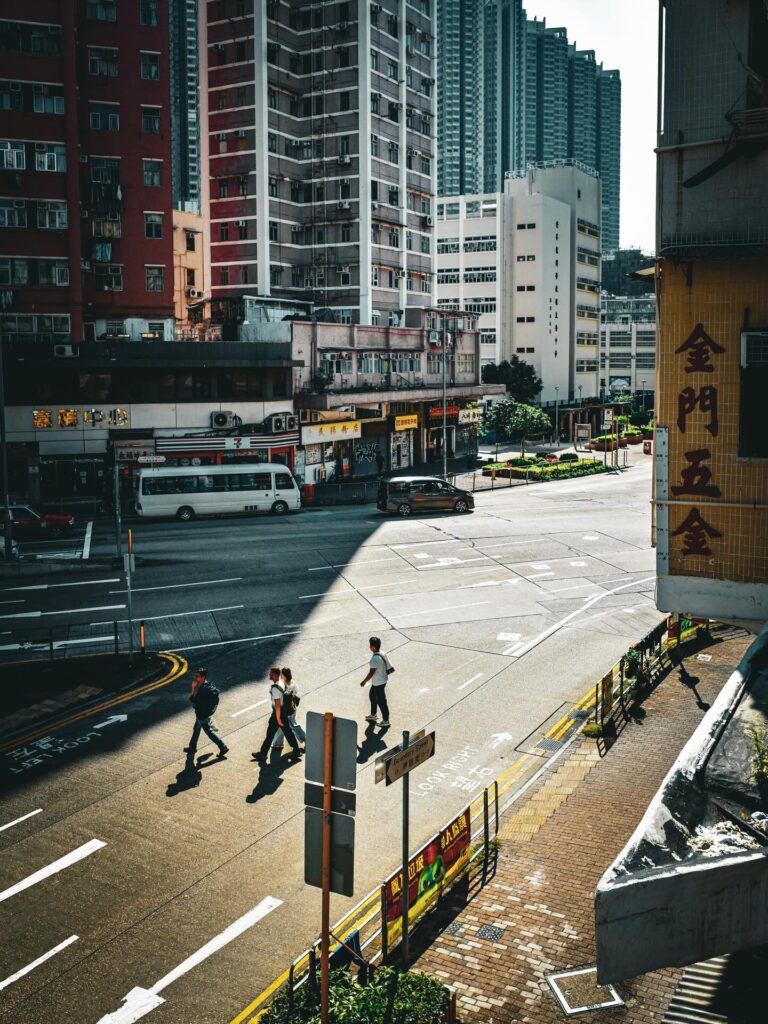
The real subject is continuity
What keeps pulling me back is not just the markets or the food or the signs. It’s the continuity.
Sham Shui Po keeps holding on to forms of street life that other districts have already polished away. Old men still sit around and play Chinese chess. Evening streets still feel inhabited rather than merely passed through. The district still makes room for specialists, odd little shops, low-margin trade and inherited routine.
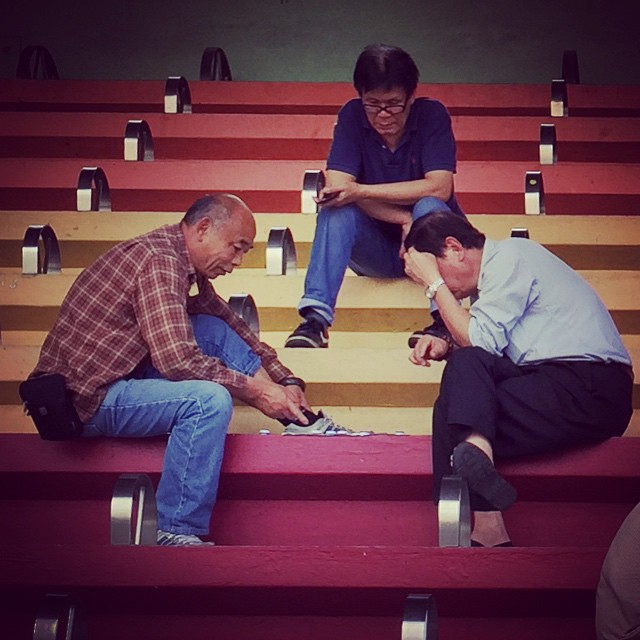
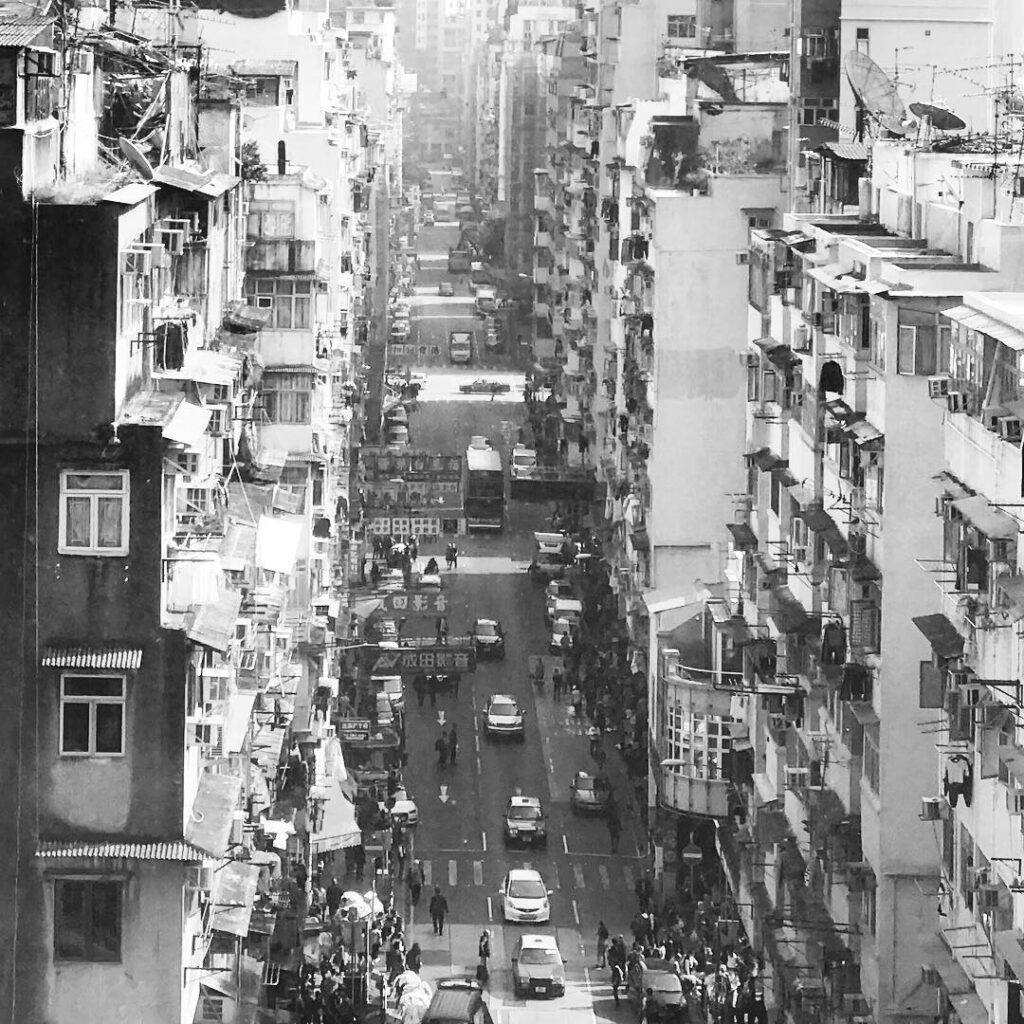
Even the edges of the district carry that feeling. The old housing story. The working-class density. The stuff that makes Sham Shui Po more than a place to hunt for cheap electronic knick-knacks.
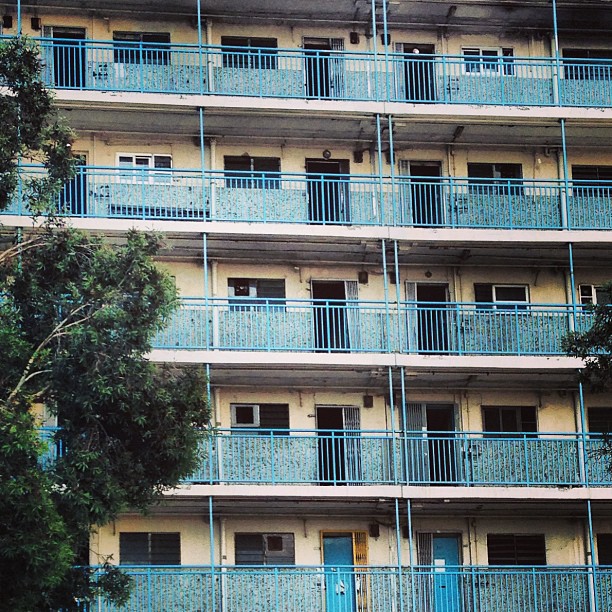
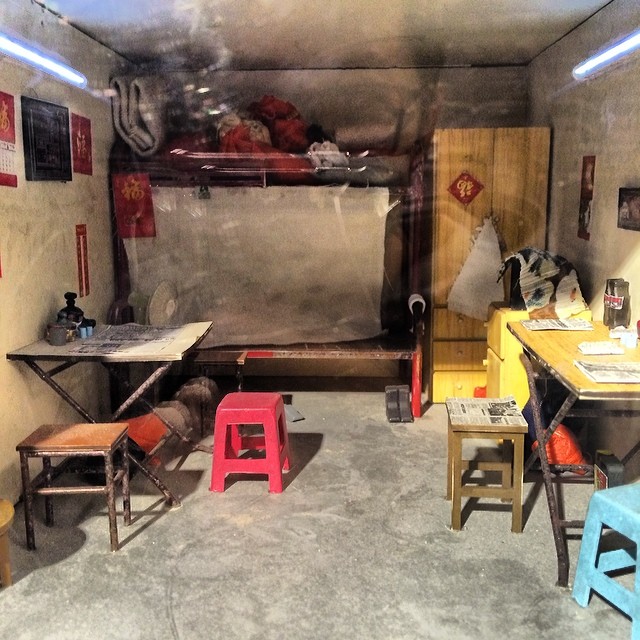
You can feel the neighbourhood’s history without needing a plaque every ten metres. It’s in the scale of the blocks. The building stock. The way shops operate. The kind of things people still come here to buy and fix.
That, to me, is the real moat for a guide like this. Michelin can tell you where to eat and stay. Travel blogs can give you nine things to do and call it a day. The tourism board can point you towards themed streets and cafes. Useful enough, I guess. But they can’t show you Sham Shui Po as a place observed repeatedly over fourteen years… not just visited once, not just summarised, but actually watched.
Gently gentrifying, cafes and frappes
Away from the Dragon Centre side of Sham Shui Po, the neighbourhood has been quietly changing. Not in the sudden, glass-tower, everything-is-now-a-mall way. More like a slow creep of coffee counters, design shops, galleries, little lifestyle spaces and very deliberate interiors appearing beside the older world of fabric shops, repair stalls and dai pai dong-ish street food. You turn a corner and suddenly there is a cafe that looks like it was designed for people taking pics of their latte before drinking it. Then two doors down, someone is still selling zippers, buttons and cloth by the roll.
The change makes sense if you know the bones of the district. Sham Shui Po was already a textile and light-industry neighbourhood, so it has the raw materials that creative businesses like to borrow from… old shopfronts, cheaper rents (or at least cheaper than the obvious places), a working-class texture, and streets that still have actual trade happening on them.
The newer cafe/gallery orbit seems to cluster more around Tai Nan Street, Ki Lung Street; generally bounded by Nam Cheong Street and the lanes heading up towards Boundary Street.
The older Sham Shui Po is not gone just because there is better coffee now. The district still has elderly residents pushing carts, people shopping for cheap parts, wholesalers doing their very specific thing, and food shops that existed long before anyone cared whether their Char Chan Tang was photogenic.
So yes, it is gentrifying. Gently, unevenly, sometimes awkwardly. The better version of that change brings in new reasons to wander without killing the old ones. The worse version turns into heritage theme park. Sham Shui Po is still somewhere between those two outcomes, which is probably why it is still worth checking out
Toy Street, because Sham Shui Po contains multitudes
There is also Fuk Wing Street, the so-called Toy Street, which is one of those Sham Shui Po details that makes the district feel slightly absurd in the best way. One street you are looking at old cables and phone parts, then a few blocks away it is plastic dinosaurs, knock-off bricks (Leego, anyone?), party decorations, school supplies, anime-ish figures, tiny cars and seasonal tat spilling out of shopfronts. Around Christmas, Chinese New Year or Halloween, the street goes extra ridiculous. Cheap decorations everywhere. Inflatable things. Tinsel. Lanterns. The full festive supply chain, basically.
It fits the neighbourhood better than it sounds. Toy Street is not polished retail. It is still Sham Shui Po retail… specific, practical, a bit chaotic, useful to parents, teachers, party planners, collectors and anyone who suddenly needs twenty tiny prizes for some reason. It is also good visually because the colour breaks up the greys and browns of the older market streets. Not deep, not profound, just another little trading ecosystem doing its thing in public.
In my personal opinion, there’s so much cheap disposable plastic on this street it must have been responsible for the deaths of at least one pod of whales.
A practical way to walk it
If you’re here mainly for photography, I’d do this.
Start around 4.30pm at Sham Shui Po Station. Take Exit A2 if you want Apliu Street plus the Pei Ho Street side of things. If you’d rather drop into the middle of the electronics market and be closer to Dragon Centre, use C2. Spend the first hour drifting around Apliu Street, Yu Chau Street and the nearby lanes without trying to optimise too much.
Then work your way through the market streets and fabric / clothing sections while there’s still daylight. Keep your eyes open for side-lane details… shutters, signs, stacked goods, people repairing things, somebody carrying dinner home. After that, let evening take over. Eat something. Walk slower. Stay for the signs and the mood… and the thieves market.
For a broader route map, pair this with the main Hong Kong photography spots guide. Then bounce between the Sham Shui Po archive, Street, Food, and Night Neon if you want the surrounding material.
Just don’t come expecting a polished “hidden gem” district. Sham Shui Po is way too useful, too direct, too lived-in for that kind of nonsense. It’s better than a hidden gem anyway. It’s one of the few places in Hong Kong that still feels like the city doing actual work in public… buying, fixing, frying, bargaining, carrying, waiting, getting on with it…